
Buying a Condo on Singer Island: What to Know Before You Buy
By Chris Twardowski, Realtor® with Illustrated Properties in Jupiter, Florida
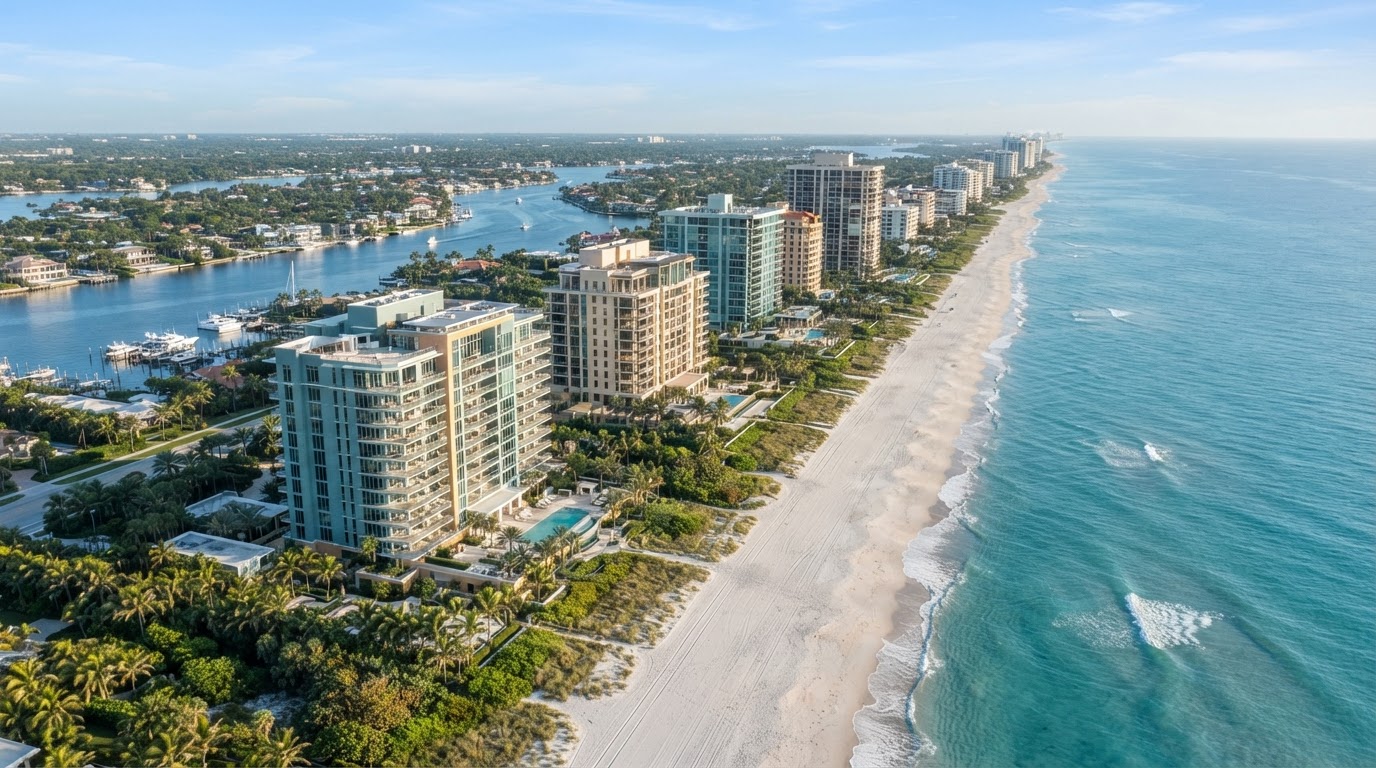
Singer Island sits along Palm Beach County's Atlantic coast, a narrow stretch of beach and high-rise condominiums between the Intracoastal Waterway and the ocean. Buying a condo here can be a smart move for a full-time residence or a second home, but Florida condominium ownership comes with its own set of rules, costs, and questions. This guide covers what to weigh before you make an offer on a Singer Island condo.
What should I know before buying a condo on Singer Island?
Before buying a condo on Singer Island, understand the full cost of ownership, the building's rules, and the financial health of the association. The purchase price is only one part of what you will pay each month. A clear picture of the association fees, restrictions, and reserve funds helps you avoid surprises after closing and makes it easier to compare buildings honestly.
Start by reading the condo documents, usually provided after you are under contract. These include the declaration, bylaws, house rules, and the most recent budget. They tell you how the building is governed, what you can and cannot do with your unit, and how assessments are shared. If anything is unclear, ask your agent to walk through it with you before the review period ends.
How association fees shape your monthly cost
Monthly maintenance fees on Singer Island commonly cover building insurance for the structure, common area upkeep, cable, water, and sometimes amenities like a pool, fitness center, or on-site staff. Fees vary widely by building and by unit size, and they are not optional. When you compare condos, look at the fee alongside what it actually includes rather than at the dollar figure alone.
Also ask whether the association has reserves set aside and whether any special assessments are planned or recently completed. A building that keeps healthy reserves and budgets carefully is less likely to hit owners with large unexpected bills. One that defers maintenance or runs lean may look cheaper month to month but cost more later.
Building rules that affect how you use the unit
Condo rules govern everyday use, and they matter more than most buyers expect. Some buildings limit rentals, require minimum lease terms, or cap the number of units that can be rented at any one time. Others set rules on pets, renovations, move-in days, and noise. If you plan to rent the unit seasonally or use it as a second home, these restrictions can shape your plans.
Read the house rules and ask the association or your agent about rental policies in particular. A building that allows short-term leasing may fit an investment goal, while one with longer minimum leases may better suit owners who value a quieter, more stable community.
Where on the island you buy matters
Singer Island is compact, but the feel changes from one end to the other. Some areas front the beach with direct ocean access, while others sit closer to the Intracoastal side or to the shops and restaurants near the Riviera Beach border. Think about whether you want a high-rise view, ground-level ease, or proximity to specific amenities.
The island also sits between Jupiter to the north and Palm Beach Gardens just inland, which makes it convenient to the dining, shopping, and services of both. If you are also considering homes in those areas, it helps to see the neighborhoods Chris serves and weigh the trade-offs between a condo and a house.
Florida condo law and insurance considerations
Florida condominium law has evolved in response to building safety concerns, and recent changes place more emphasis on structural inspections and reserve funding for older buildings. These rules can affect what associations must do and what owners may pay for. A building that has already completed its required inspections and reserve studies gives you a clearer picture than one that is still working through them.
Insurance is another factor. The association's policy typically covers the building's structure and common elements, but you are responsible for your own unit, including interior finishes and your personal property. Ask what the master policy covers so you can buy the right amount of individual coverage, and factor that cost into your monthly budget.
Frequently Asked Questions
Can I rent out a Singer Island condo seasonally?
It depends on the building. Some associations allow seasonal rentals with minimum lease terms, while others restrict or cap rentals entirely. Always confirm the rental policy in the condo documents before you buy if renting is part of your plan.
What do monthly condo fees usually include?
Fees often cover building insurance for the structure, common area maintenance, water, cable, and amenities. They do not typically cover your interior, personal property, or a separate mortgage, so budget for those on top of the association fee.
Do Florida condo laws affect older buildings differently?
Yes. Recent Florida law requires structural inspections and reserve studies for buildings that meet certain age and height thresholds. Buildings that have completed these steps give buyers clearer information about upcoming costs than those still in process.
Work with a local guide before you buy
A Singer Island condo can be a great fit when the building, the fees, and the rules line up with how you want to live or invest. Reading the documents, comparing associations, and weighing the island's different stretches takes time, but it pays off at closing. As a Palm Beach County native and a condo board member, I help buyers read between the lines on association health and Florida condo law.
If you are considering a condo on Singer Island or anywhere along the Palm Beach and Martin County coast, grab the Buyer's Guide and reach out with your questions. I will help you focus on the buildings that fit your goals and avoid the ones that do not.
Ready to explore Singer Island condos?
Contact Chris Twardowski for clear, local guidance on buying a condo on Singer Island and across Palm Beach County.